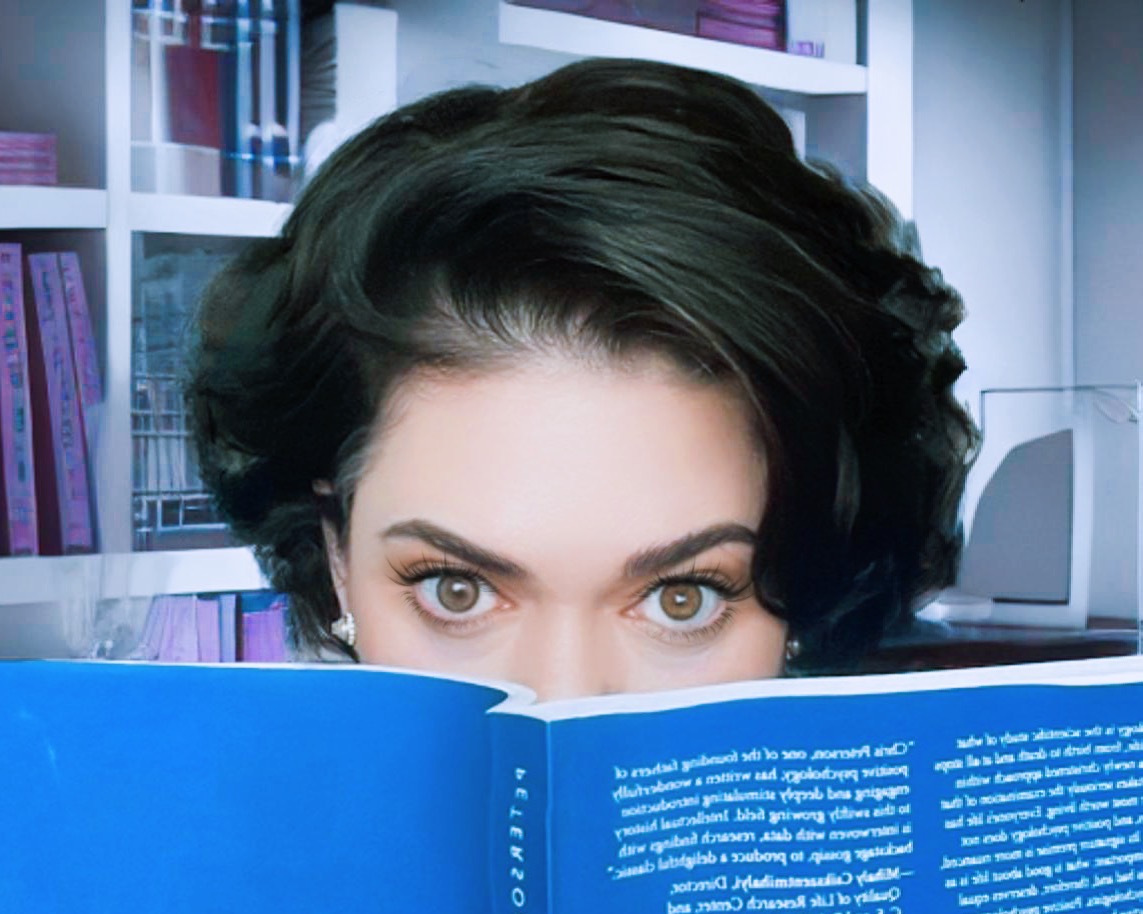
Happy Wednesday my wonderful Groupies for Good! Today I want to talk about color. I am wearing one of my mom’s favortite colors today, purple. Not violet, not lavdender, and certainly not Indigo. Purple. With over 140 shades, purple can be hard to define. Just think Delta Airlines. That color purple. Dark, lux, silky, and rich with just a hint of jet fuel. Maw! Wearing my mom’s favorte color helps me feel closer to her, and that is especially important during these difficult times. It may not be a hug from her directly, but the color does bring back happy memories of when she did.
Colors do more than just please our eyes. They have the power to alter our mood, influence our emotional state, bring back memories, and even boost our creative outputs. Recent studies, backed by the American Psychological Association, have shed light on the astonishing psychological effects of color on our everyday lives.
The Science of Color and Emotion
The connection between color and psychology goes way back to ancient civilizations. Tyrian purple, for instance, was the most valuable color on the plantet; even considerd to be more precious then gold. Tyrian purple was paraded by the most privileged in society for millennia – a symbol of strength, sovereignty and money. Ancient authors are particular about the precise hue that was worthy of the name: a deep reddish-purple, like that of coagulated blood, tinged with black. Sounds pretty gruesome doesnt it? Well that tracks. Tyrian purple was made from the mucus of sea snails in the Murex family. Once the snails had been collected, the mucous gland was sliced out using a specialised knife. One Roman author explained how the snail’s gore would then ooze out of its wounds, “flowing out like tears”, before being collected into mortars for grinding. No part of this process sounds romantic or even concensual, but still inevitible for a snail just the same. The next blog post we will discuss reincarnation and its current evidence.
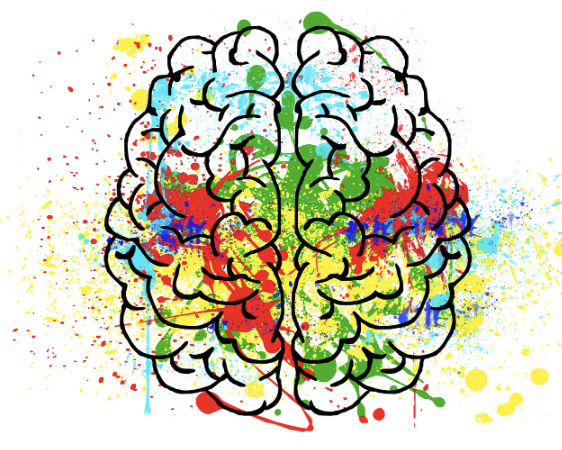
Okay. Back to center field. Contemporary research has been unraveling the depths of the relationship between color and the human brain. According to experts, when our eyes perceive a color, our brains release different chemicals impacting our mood and emotions. Imagine the calming effect of blue or the energetic vibe of yellow; it’s all in the psychology of color. Unfortunalty however, we will never know how seeing a freshly panted fresco or robe dyed in Tyrian purple will effect the brain because it is no longer able to be reproduced due to the ancient recipe being lost. ** Hexaplex trunculus, Bolinus brandaris, and Stramonita haemastoma snails everywhere cheer **
Red: The Color of Energy and Alertness
Research indicates that red can have a profound effect on our mood and body, increasing heart rate and evoking feelings of passion and intensity. It’s a color often associated with alertness and attention to detail, making it a go-to for environments requiring dynamism and energy. However, excessive exposure to red might lead to feelings of anxiety or stress, suggesting a balance is crucial.
Blue: A Haven for Creativity and Calm
Blue, in its various shades, has been consistently linked with creating a calming atmosphere, promoting mental clarity, and fostering creative thinking. Psychological studies highlight blue’s ability to help reduce stress levels and increase a sense of relaxation. This makes it an ideal color for workspaces and rooms dedicated to brainstorming and creative pursuits.
Green: The Balancer
Green, the color of nature, has a remarkable balancing effect, bringing about a sense of renewal and peace. It’s believed to encourage equilibrium in your emotions, leading to improved decision-making capabilities. Workspaces with green elements, or views of nature, often report higher satisfaction levels and productivity among employees.
Personalizing Color for Mood Enhancement and Creativity
The APA suggests that personal preference plays a vital role in how a color impacts an individual’s mood and creativity. What might evoke joy in one person could cause irritation in another. It’s essential, therefore, to understand and experiment with colors that best suit your emotional and psychological needs.
The Impact of Light and Hue
It’s not just the color itself, but also its saturation and brightness that can influence mood and creativity. Vibrant, bright colors are typically energizing, while softer, pastel shades tend to be calming. Incorporating a variety of colors that align with the desired emotional effect or task at hand can create an environment that enhances mood and productivity.
Final Thoughts
The psychology of color offers fascinating insights into how the colors around us can shape our emotions, mood, and creative efforts. By harnessing the power of color based on physiological research and guidelines from the American Psychological Association, we can create spaces that not only appeal to our aesthetic senses but also support our mental well-being and innovative capacities. Whether you’re redecorating your workspace or choosing a new palette for your art project, consider the psychological effects of your color choices to truly make an impact.
Remember, the journey into the world of color psychology is personal and ever-evolving. As we continue to uncover the deep connections between color and our psychological functions, we open doors to a more vibrant, emotionally balanced, and creatively fulfilling life.
References
- “Impact of Color on Marketing” by Satyendra Singh – This study focuses on the impact colors have on marketing but dives into the psychological aspects that can easily be correlated with mood and creativity. It discusses how consumers perceive color and its effect on their decision-making process.
- “Blue or Red? Exploring the Effect of Color on Cognitive Task Performances” by Ravi Mehta and Rui (Juliet) Zhu – Published in Science, this groundbreaking study explores how red and blue colors affect cognitive task performance. It suggests that blue colors can enhance creativity, while red can improve attention to detail.
- “A Review of Color Studies Done in Relation to Performance and Mood” by Naz Kaya and Helen H. Epps – This comprehensive review looks at various studies conducted to observe color’s effect on human performance and mood. It provides insights into how different environments and their color schemes impact individuals.
- “Effects of Office Interior Color on Workers’ Mood and Productivity” – This study examines how the interior color of an office space impacts workers’ mood and productivity, suggesting that certain colors can enhance creativity and overall workplace performance.
For more in-depth and current research, academic databases like Google Scholar, PubMed, and PsycINFO are great resources to explore. Additionally, the American Psychological Association (APA) website may also have more recent articles and studies on this topic. Remember, while there’s a wealth of information on the impact of colors, individual responses can vary due to personal preferences, cultural differences, and context.

 Positively Ridiculous Podcast
Leave a comment